

Company
GlencoreLocation
NSWDate
Vegetation Management
Ecology
Overview
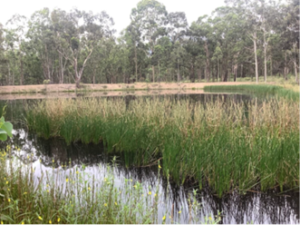
Since 2018, Biodiversity Australia has partnered with Glencore to deliver an ongoing annual biodiversity monitoring program across the Ravensworth Open Cut operations and associated Biodiversity Offset Areas (BOAs) in the Hunter Valley, NSW. The program supports compliance with the Biodiversity Management Plan (BOMP), Offset Area Management Programme (OAMP), Conservation Agreements, and State and Federal legislation. This multi-year engagement ensures progressive, evidence-based monitoring of rehabilitation performance, biodiversity condition, and long-term ecological outcomes.
Our Response
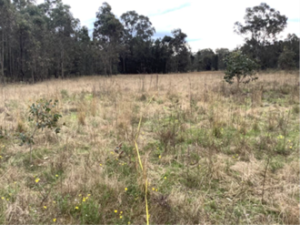
Biodiversity Australia delivers a comprehensive suite of ecological monitoring services across the Ravensworth landscape, including:
Annual monitoring across four BOAs, covering:
- 28 permanent BAM vegetation monitoring sites
- 25 Conservation Agreement monitoring sites
- Rehabilitation fauna assessments across 32 sites (19 native vegetation and 13 pasture)
Targeted threatened species surveys, including:
- Swift Parrot & Regent Honeyeater
- Green and Golden Bell Frog
- Microbat monitoring (Anabat call analysis)
Diverse ecological survey methods, such as:
- PIR camera trapping & hair tubes
- Nest box inspections
- Walk-through weed, disturbance, and fauna activity assessments
Data management and reporting, including:
- GIS mapping and spatial datasets
- Geo-referenced imagery and raw data packages
- Two comprehensive annual reports (Offset Ecological Monitoring Report & Conservation Agreement Monitoring Report)
Throughout the program, we work closely with Glencore and regulatory stakeholders, applying adaptive management principles to ensure the monitoring remains outcome-focused and compliant.
Results to Date
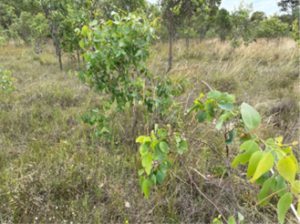
This program has established a robust, long-term ecological dataset, providing Glencore with clear insights into vegetation condition trends, fauna usage, rehabilitation performance, and offset progression toward ecological targets. The expanded 2023 scope has further strengthened the ecological evidence base and improved transparency around rehabilitation success. Consistent monitoring has also helped identify threats early (such as weeds, pests, or habitat degradation), enabling timely management actions.
Why it Matters
This long-term partnership ensures that rehabilitation and biodiversity offset commitments are not only met, but meaningfully measured. By providing high-quality data, defensible analysis, and actionable recommendations, Biodiversity Australia is helping Glencore:
- Demonstrate regulatory compliance and environmental accountability
- Track and validate ecological improvements over time
- Strengthen biodiversity outcomes across complex and high-value landscapes
- Make informed decisions that support both operational continuity and sustainable land management
Ultimately, the project contributes to long-term ecological resilience in the Hunter Valley and reinforces responsible environmental stewardship within the mining and resources sector.