


Vegetation Management
Bushfire is an inherent part of Australia’s landscape. While fire plays a natural role in many ecosystems, the increasing intensity and frequency of bushfires in recent years has highlighted the critical importance of proactive bushfire management, particularly vegetation management, to protect people, infrastructure and biodiversity.
At Biodiversity Australia, vegetation management is a core component of our approach to reducing bushfire risk while maintaining ecological integrity, delivered across a wide range of industries and operating environments.
Understanding bushfire management
Bushfire management is a coordinated approach that combines prevention, preparedness, response and recovery. While emergency response attracts the most attention, proactive mitigation measures undertaken well before fire season are often the most effective in reducing fire severity and impact.
Vegetation management focuses on managing fuel loads, the grasses, shrubs and trees that influence how a fire starts, spreads and behaves.
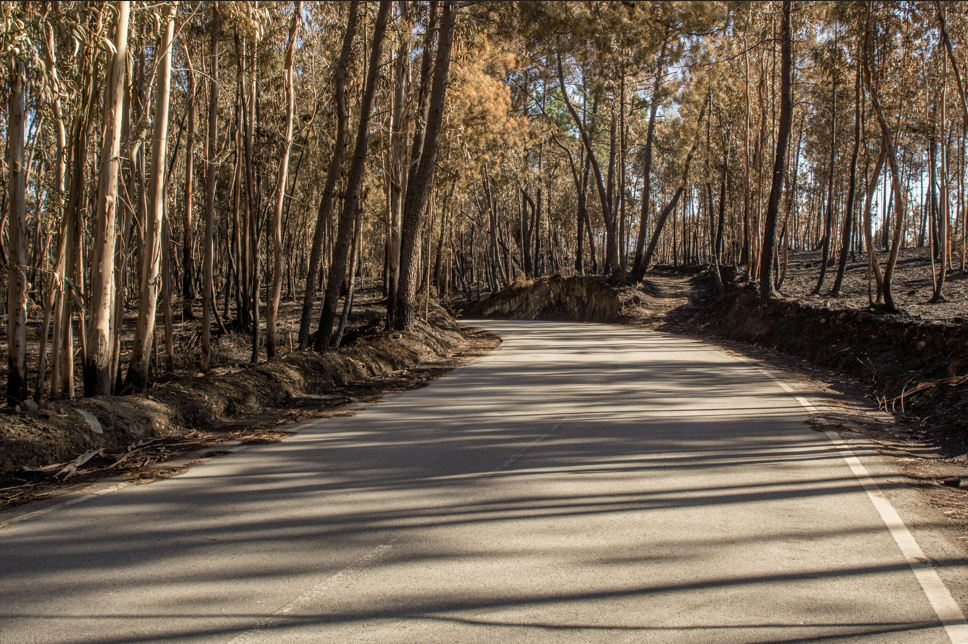
The role of vegetation in bushfire behaviour
The type, amount and arrangement of vegetation directly affect fire intensity. Heavy fuel loads, continuous vegetation and unmanaged understorey can allow fires to spread rapidly and burn hotter, making them harder to control.
Effective vegetation management helps to:
- Reduce fuel loads
- Break up continuous vegetation corridors
- Lower flame height and fire intensity
- Improve access and safety for firefighters
- Protect assets and critical infrastructure
When done correctly, vegetation management reduces risk without removing the environmental values of the landscape.
How Biodiversity Australia approaches vegetation management
Biodiversity Australia delivers vegetation management with a strong focus on safety, compliance and ecological outcomes. Our teams work across local councils, aviation environments, Defence sites and other critical infrastructure, tailoring vegetation management strategies to the specific risks and operational requirements of each sector.
Vegetation management activities may include:
- Strategic slashing and mowing
- Targeted brush cutting and understorey management
- Tree pruning and canopy separation
- Weed control to reduce flammable invasive species
- Maintenance of asset protection zones and access corridors
All works are carefully planned to align with regulatory requirements, land use objectives and seasonal conditions.
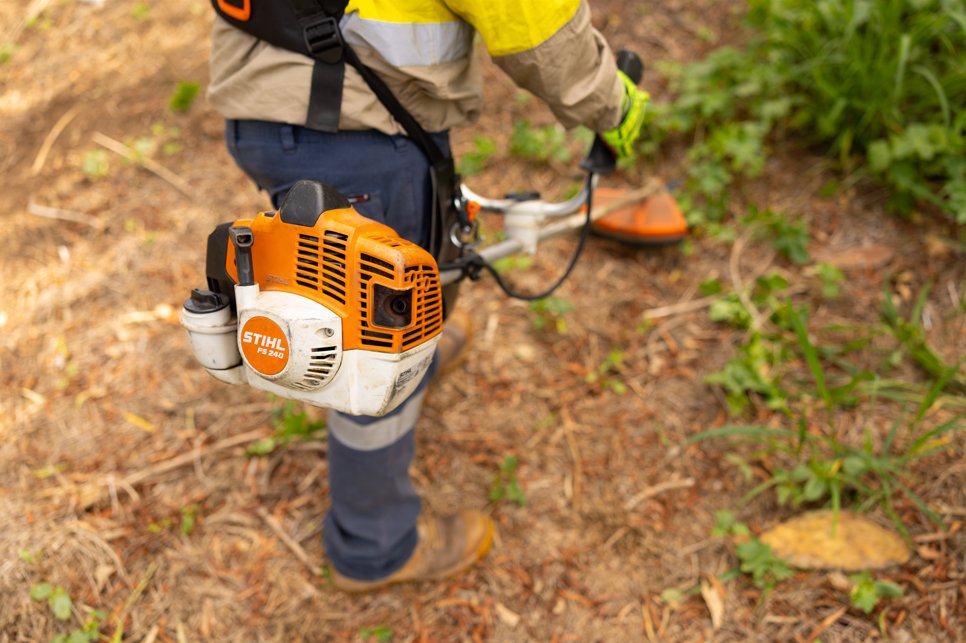
Balancing fire risk and biodiversity
Poorly planned vegetation removal can create unintended environmental consequences, including habitat loss, erosion and weed invasion. That’s why vegetation management must be delivered by experienced environmental professionals.
At Biodiversity Australia, we apply ecological knowledge to ensure vegetation management:
- Protects threatened species and habitat values
- Maintains ecosystem function
- Avoids unnecessary disturbance
- Supports long-term landscape resilience
This balanced approach recognises that reducing fire risk and protecting biodiversity are not competing objectives, they are intrinsically linked.
Why proactive vegetation management is so important
With hotter, drier conditions becoming more common, the window for proactive bushfire mitigation is narrowing. Year-round vegetation management plays a vital role in:
- Protecting communities and public assets
- Supporting safer emergency response operations
- Reducing economic and environmental impacts
- Building resilience across landscapes
If you have questions about bushfire risk, vegetation management, or would like to understand how these services could support your organisation, get in touch with our team, we’re always happy to talk through your challenges and how we can help.